

If you’ve ever tried marketing to health and fitness consumers the same way you market to the average shopper, you’ve probably noticed a lack of connection with this must-win audience.
That’s because health and fitness shoppers are different. And if you’re investing in experiential marketing, brand ambassadors, or field marketing in this space, that difference matters.
A lot.
Here’s what sets them apart.
- They’re Not Primarily Price Shoppers
Yes, price matters. But it’s rarely the deciding factor.
Health and fitness consumers are asking different questions:
- Is it organic?
- How much sugar does this product have
- Are the ingredients clean?
- Does it support my goals?
They’re thinking long-term — about performance, recovery, energy, and overall health. If your product aligns with those priorities, many are willing to pay more.
Discounting isn’t what wins this audience. Alignment does.
- They Read the Label
And not just the front of the package.
They’re flipping it over. Checking macros. Reading ingredient lists. Looking for certifications. Googling things they don’t recognize.
This is where a lot of brands lose momentum.
If your field marketing team or brand ambassadors can’t clearly explain what the product does and why it works, trust erodes quickly. Vague talking points won’t cut it.
This audience wants clarity.
- Effectiveness > Hype

Taste is important. Packaging is important. Branding is important.
But in health and fitness, effectiveness is what drives repeat purchase.
If the product doesn’t deliver, they’re done.
That’s why experiential marketing works so well in this category. When someone can sample a product, ask questions, and understand how it fits into their routine, the trial is more intentional.
And intentional trial leads to better retention.
- Community Matters More Than You Think
Health and fitness consumers don’t operate in isolation.
They’re part of running groups. CrossFit gyms. Cycling clubs. Yoga studios. Race communities.
When one person finds something they love, they talk about it. Word travels fast.
Strategic field marketing inside these communities doesn’t just influence one buyer — it influences a network.
That ripple effect is hard to replicate with paid ads alone.
- Education Is the Strategy
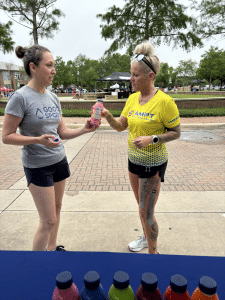

This audience doesn’t respond to hype. They respond to information.
They want to understand:
- What’s in it
- Why it works
- When to use it
- Who it’s for
When your experiential marketing strategy prioritizes education — and your brand ambassadors are trained to confidently speak to ingredients and benefits — you build trust.
And trust builds loyalty.
The Bottom Line
Health and fitness shoppers don’t behave like typical consumers. So you can’t market to them like they’re typical consumers.
If you want results in this space, your field marketing programs need to be intentional. Your brand ambassadors need to be informed. And your experiential marketing needs to create space for real education.
Because in this category, the brands that win aren’t the loudest.
They’re the clearest.


